

 Twelve years after dentists filed suit over ACS/Xerox/Conduent’s handling of the Texas Medicaid orthodontic prior authorization scandal, they are still waiting for their damages claims to reach trial. Two dentists in related cases against the company have already died while this litigation has dragged on, according to the attorney representing the dentists. Justice delayed is justice denied, they say.
Back in August 2024, the Third Court of Appeals rejected Conduent’s attempt to escape the lawsuit brought by M&M Orthodontics and Drs. Scott and Diana Malone.
Two years later, the company is still fighting to keep the claims from proceeding to trial.
To briefly rehash the history of the debacle, from 2004 to 2011, dentists submitted orthodontic prior authorization requests to the state’s designated contractor, TMHP, then run by ACS Healthcare Services, for approval. Xerox later bought ACS and spun it off as Conduent. After receiving those approvals and providing treatment, the dentists faced payment holds, fraud allegations and demands for repayment by the state over whether the treatment was medically necessary after media revelations about the state-wide volume of such approvals came out in 2011.
The dentists contend that Conduent failed to perform the meaningful reviews it was being paid by the state to conduct. According to their attorney, Jason Ray, proper reviews of the authorization requests and supporting dental records would have prevented the providers from being placed in that position with the state in the first place. Their lawsuit seeks compensation for the resulting harm.
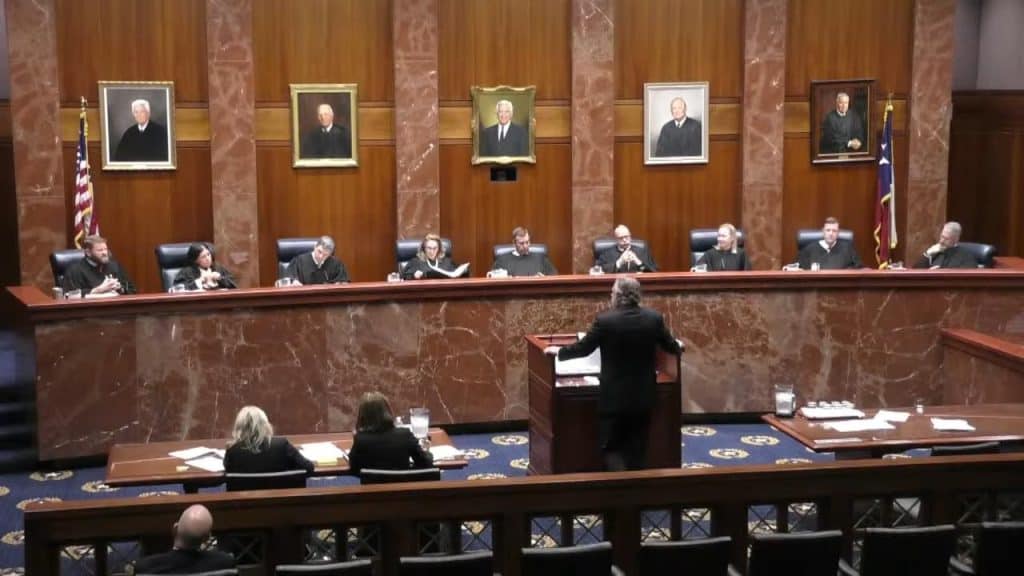
At the Supreme Court, Conduent argued that the state’s control over its work entitled it to legal protections against the dentists’ lawsuit even though the state had sued the company and extracted a $235.9 million settlement in 2019. Ray countered that the company was an independent contractor that hired and trained its own staff and controlled how it reviewed prior authorization requests.
Much of the hearing focused on whether the company was legally entitled to bring this immediate appeal before trial. Justices questioned how a private contractor qualified under the statutory provision it invoked. They also explored whether another procedural route could resolve the immunity issues without further lengthy proceedings.
Ray urged the Court to let the case proceed. He noted that the company had waited five years after the lawsuit was filed to raise its immunity arguments. The dentists, he emphasized, wanted their day in court.
The Court took the case under consideration.